

No products in the cart.

Why Jumbo Colored Pencils Are Used in Early Education
- Mark Yang
- January 28, 2026
- 7:30 pm
- No Comments
Table of Contents
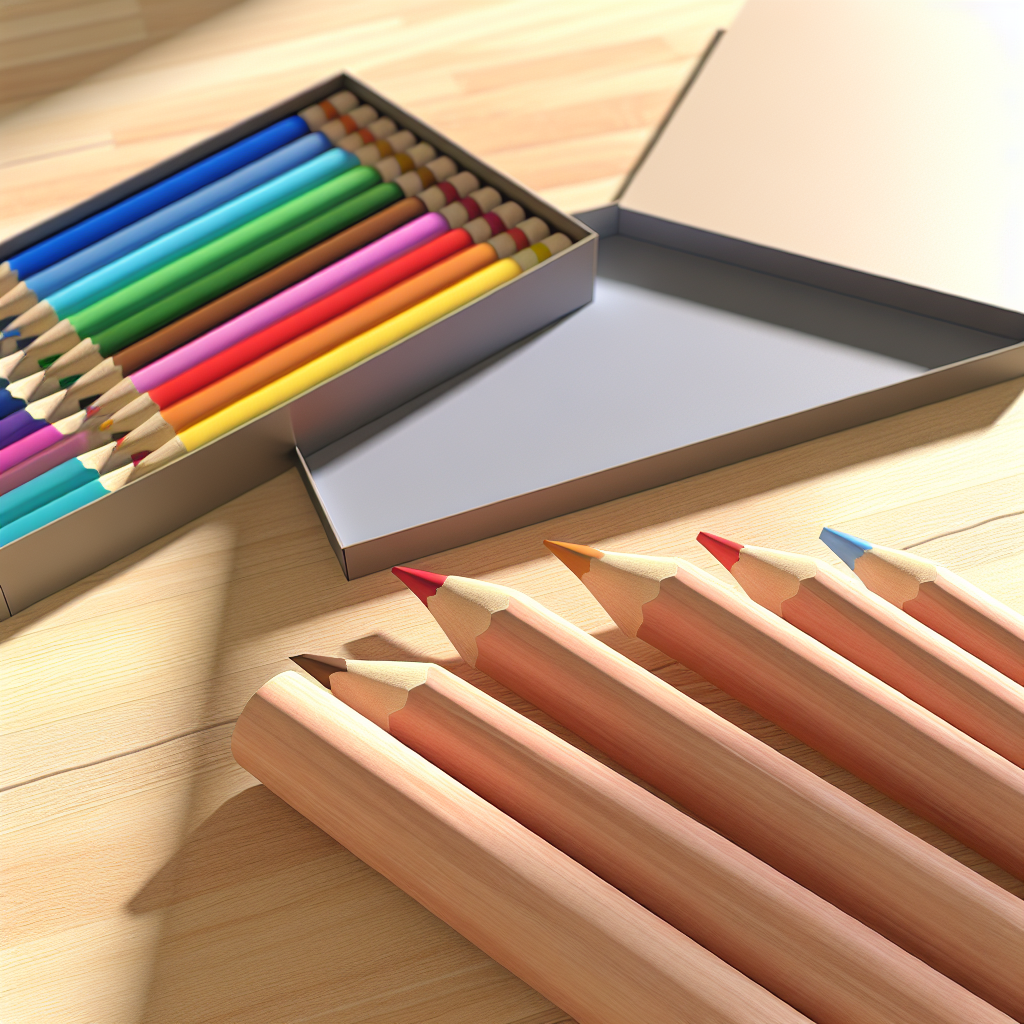
Walk into any preschool classroom or kindergarten art corner, and you’ll likely spot them: bright, chunky coloring tools that look almost too big for tiny hands. But there’s a reason these oversized writing instruments are a staple in early education. Among them, jumbo colored pencils kids use aren’t just cute or colorful — they’re developmentally essential. Designed specifically for small hands and growing minds, these tools play a crucial role in helping young learners build foundational skills.
In this article, we’ll explore why jumbo colored pencils are favored in early education settings, how they support cognitive and motor development, and what parents, teachers, and school supply buyers should know when choosing the right tools for children. Whether you’re outfitting a classroom or stocking up for home learning, understanding the “why” behind these pencils is key to making informed choices.
Why Size Matters: The Ergonomic Advantage
At first glance, it might seem counterintuitive to give large pencils to small children. However, the larger diameter of jumbo colored pencils offers a significant ergonomic benefit. Young children are still developing their fine motor skills, and their hands lack the dexterity and strength required to control standard-sized pencils effectively.
According to the article “Enhancing Early Childhood Education with Big Jumbo Pencils”, these oversized tools are intentionally designed to be easier to grip. The thicker barrel helps children grasp the pencil with a full-hand grip, which is more natural at their developmental stage. This design reduces frustration and allows them to focus on the creative or learning task at hand, rather than struggling to hold the tool properly.
| Feature | Standard Pencil | Jumbo Colored Pencil |
|---|---|---|
| Diameter | 6–7 mm | 10–12 mm |
| Grip Suitability | Challenging for small hands | Easy and natural grip |
| Motor Skill Development | Limited support | Enhances fine motor control |
| Frustration Level | Higher | Lower |
Building Fine Motor Skills Through Coloring
One of the primary reasons why jumbo colored pencils are so effective in early education is their role in fine motor skill development. Preschoolers and kindergarteners are in a critical phase of learning to manipulate small objects, a precursor to writing, cutting, and other essential academic and life skills.
Using jumbo pencils gives children the opportunity to practice controlled movements, which strengthens the small muscles in their hands and fingers. These muscles are necessary for tasks like writing letters, tying shoelaces, and even using utensils. The article from Durzerd emphasizes that the physical design of jumbo pencils directly supports this development, making them more than just a coloring tool — they’re a learning aid.
Igniting Creativity with Color and Comfort
Beyond the ergonomic and developmental benefits, jumbo colored pencils also play a role in nurturing creativity. The vibrant colors and smooth application of these pencils make them fun and engaging for children. When kids enjoy the tools they use, they’re more likely to participate in creative activities like drawing and coloring — both of which are essential for cognitive development and emotional expression.
As noted in the article “Unlocking Creativity: Big Jumbo Pencil in Early Education”, the appeal of these tools lies not only in their size but also in their sensory impact. Bright hues, smooth textures, and the satisfying feel of filling a page with color can be incredibly motivating for young learners. This motivation translates into more time spent on task, greater focus, and a deeper engagement with learning activities.
Reducing Barriers to Early Writing
For many children, learning to write can be a daunting task. Holding a pencil, forming letters, and writing on lines are all new and challenging skills. When the writing tool itself is difficult to manage, it adds an unnecessary layer of difficulty. Jumbo colored pencils remove this barrier by offering a more accessible, less intimidating alternative.
A popular Quora discussion highlights that thick pencils help children gain confidence in their early writing attempts. The broader tip and larger grip area allow for better control, making it easier to draw shapes and form letters. This early success is crucial — it reinforces a positive association with writing and learning, encouraging children to keep practicing.
Safety First: Non-Toxic and Age-Appropriate Materials
When selecting any classroom tool for young children, safety is paramount. Jumbo colored pencils are typically made with non-toxic materials, ensuring that even if a child accidentally puts a pencil in their mouth, there’s no health risk. According to the article “Best Pencils for Day Care Center Activities”, choosing products that are certified non-toxic and designed specifically for early learners is essential for any educational setting.
In addition, many jumbo pencils feature break-resistant cores and durable outer casings, reducing the risk of splinters or broken pieces that could become choking hazards. These features make them not only effective but also safe for use in environments like day care centers, preschools, and even at home.
Supporting Educators and Parents Alike
Teachers and caregivers often face the challenge of balancing educational goals with practical classroom management. Jumbo colored pencils help simplify this task. Because they’re easier to grip and more durable, children are less likely to drop or break them, reducing interruptions and cleanup time.
For parents, especially those involved in homeschooling or supplemental education at home, these tools offer a simple way to support their child’s development. Whether it’s practicing letter tracing or creating imaginative artwork, jumbo pencils provide a reliable, child-friendly option.
OEM and Manufacturing Considerations
From a manufacturing perspective, producing jumbo colored pencils requires attention to several key factors: material safety, ergonomic design, and color quality. OEM suppliers who specialize in educational tools must ensure that their products comply with international safety standards such as ASTM D-4236 and EN71. These certifications guarantee that the materials used are safe for children and free from harmful chemicals.
Moreover, the pigments used in jumbo colored pencils must be vibrant yet stable, offering consistent color laydown without requiring excessive pressure. This ensures that even the lightest touch from a small hand can produce visible, satisfying results. The outer casing, usually made of wood or eco-friendly polymers, must be durable enough to withstand frequent use while still being easy to sharpen with specialized sharpeners.
Choosing the Right Jumbo Colored Pencils for Kids
When selecting jumbo colored pencils, there are a few features to consider:
- Diameter: Look for pencils with a barrel size of at least 10mm for optimal grip.
- Material: Ensure pencils are labeled non-toxic and meet safety standards.
- Core Strength: Choose break-resistant cores to minimize waste and frustration.
- Color Variety: A broad spectrum of colors encourages creativity and self-expression.
- Sharpening Compatibility: Make sure you have a compatible sharpener for jumbo sizes.
Brands that specialize in educational supplies often offer bulk packaging and classroom-friendly assortments, making it easier for schools and day care centers to stock up efficiently.
Conclusion: A Small Tool with Big Impact
Jumbo colored pencils kids use in early education are more than just oversized crayons. They are thoughtfully engineered tools that support developmental milestones, inspire creativity, and make learning more accessible for young children. From enhancing fine motor skills to encouraging early writing and artistic expression, these pencils play a surprisingly powerful role in shaping a child’s educational journey.
For educators, parents, and school supply buyers, understanding the “why” behind these tools can lead to better decisions — and ultimately, better outcomes for the children who use them. When the right tools are placed in the right hands, learning becomes not just easier, but joyful.
Related Reading
- Why School Tenders Require EN71 and ASTM Reports
- Why Extra-Dark Pencils Are Popular in Schools
- Why Schools Choose Pre-Sharpened Pencils for Efficiency
- Why Colored Pencils Need Higher Pigment Load for Artists
- Why European Buyers Prefer Non-Toxic Colored Pencils
- Why School Pencils Must Meet Low-Breakage Standards
- Why Factory Certifications Matter for European Buyers
- Why Pencil Packaging Must Meet EU Labeling Requirements
Share This Post
Share on facebook
Share on twitter
Share on linkedin
