

No products in the cart.

Why Retail Chains Prefer Specific Packaging Dimensions
- Mark Yang
- December 30, 2025
- 3:53 pm
- No Comments
Table of Contents
Walk into any major retail chain—from big-box stores to boutique grocers—and you’ll notice a common thread in how products are displayed: uniformity. Boxes line up perfectly on shelves, displays are symmetrical, and products seem to fit their spaces like puzzle pieces. This isn’t a coincidence—it’s the result of deliberate design and strict adherence to retail packaging specs, especially packaging dimensions. But why are these specific dimensions so important to retailers? And what drives their preferences?
This article explores the commercial logic behind why retail chains insist on particular packaging sizes, and how manufacturers can align with these expectations to improve shelf presence, reduce costs, and increase sales.
Why Packaging Dimensions Are a Strategic Decision
At first glance, packaging might seem like a purely functional necessity—something to protect a product during transit and display it attractively. But in retail, packaging dimensions are a strategic tool. They impact everything from shelf stocking to supply chain efficiency, consumer perception, and even environmental sustainability.
Retailers operate in a high-stakes environment where every inch of shelf space matters. Standardized packaging dimensions allow them to:
- Maximize shelf utilization
- Streamline inventory management
- Reduce labor costs during stocking
- Enhance the visual appeal of aisles
When brands deviate from these expectations, it can disrupt planograms (the visual merchandising plans retailers use), delay stocking, and even lead to products being delisted.
Retail-Ready Packaging: More Than Just a Box
According to Vdriven’s guide on retail-ready packaging, retailers increasingly demand packaging that not only protects the product but also simplifies logistics. This includes packaging that can go straight from the shipping container to the shelf without needing additional unpacking or rearranging.
Retail-ready packaging (RRP) often adheres to strict dimension guidelines to fit seamlessly into display units. These packages are designed to be opened quickly, minimize handling time, and reduce labor costs. For example, a cereal box that’s 7 inches wide instead of the standard 6 could throw off an entire shelf layout, forcing employees to rearrange or even remove other products.
How Shelf Optimization Drives Dimensional Standards
Retailers use planograms to design store layouts that maximize visibility and sales. These diagrams dictate how many units of a product can fit on a shelf, how they should be arranged, and how they relate spatially to other products.
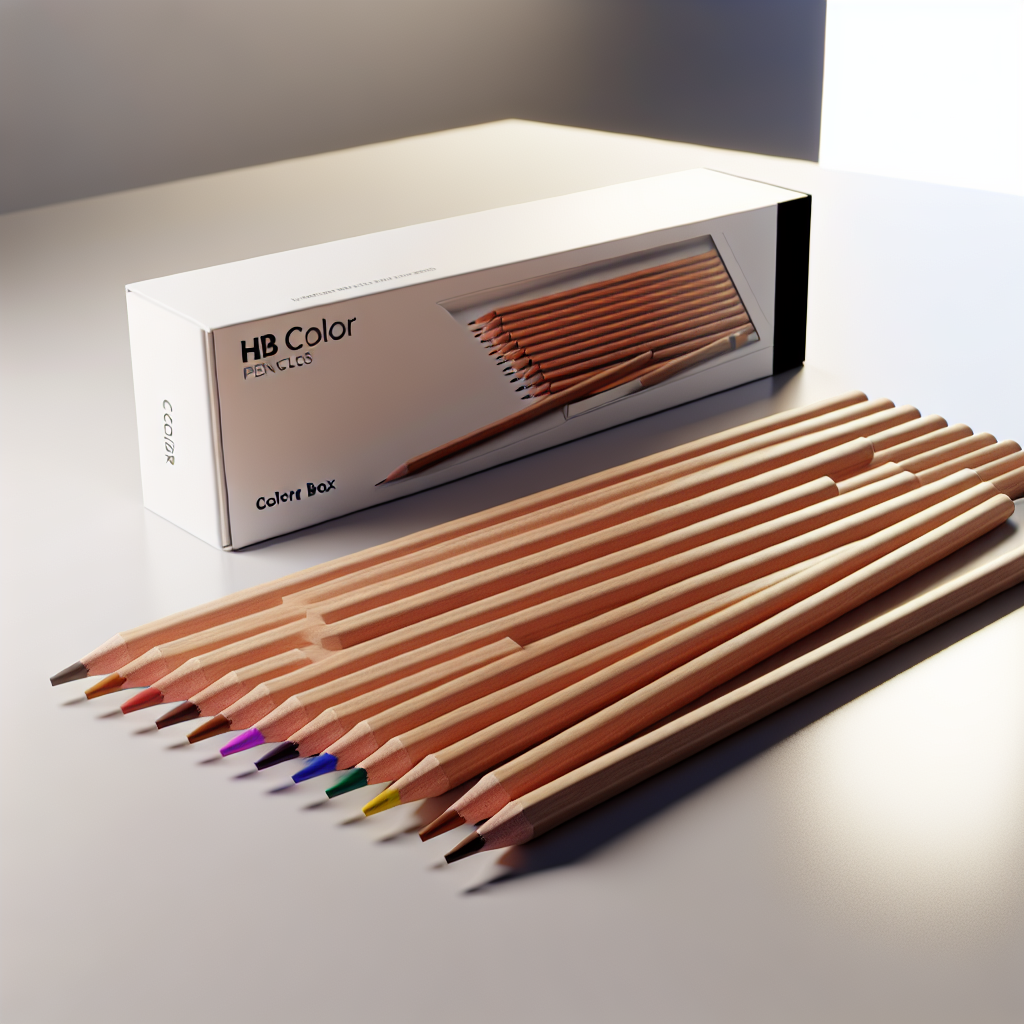
For example, a shelf that holds 12 boxes of a standard-size pencil case may only fit 10 if the packaging is slightly larger. That 17% reduction in facings could lead to fewer sales and more frequent restocking—both of which are undesirable for the retailer.
By aligning with the store’s preferred packaging dimensions, brands ensure they maintain their place on the shelf and avoid logistical headaches. This is why many retailers provide vendors with detailed retail packaging specs as part of their onboarding process.
Logistics and Supply Chain Efficiency: The Hidden Drivers
From a supply chain perspective, uniform packaging dimensions simplify palletization, reduce shipping costs, and make warehousing more efficient. According to McKinsey’s analysis on “skinny design”, smaller and standardized packaging can lead to significant improvements in supply chain performance.
Here’s how:
| Packaging Factor | Operational Impact |
|---|---|
| Smaller Dimensions | More units per pallet; reduced shipping costs |
| Uniform Sizes | Faster warehouse picking and packing |
| Stackability | Efficient use of warehouse and shelf space |
| Right-Sized Packaging | Minimized material waste and dimensional weight charges |
Retailers know that every inch saved in packaging can translate into real dollars saved in transportation and storage. That’s why they often partner with suppliers to optimize packaging dimensions early in the product development process.
The Economic and Environmental Case for Right-Sizing
Right-sizing is the practice of designing packaging that fits the product as closely as possible without compromising protection. As highlighted in Paramount Global’s guide on right-sizing, this approach not only reduces material costs but also improves shipping efficiency by minimizing dimensional weight charges.
For retailers, right-sized packaging means:
- Lower transportation costs
- Fewer damaged goods due to less shifting in transit
- Improved sustainability metrics
For example, if a manufacturer reduces the height of their product box by just half an inch, they might fit an extra row on each pallet layer—adding up to hundreds of additional units per shipment. Multiply that across thousands of stores, and the savings become substantial.
Consumer Psychology: Size Impacts Perception
Packaging dimensions also influence how consumers perceive a product. A box that’s too large for its contents can feel wasteful or deceptive, while one that’s too small may seem cheap or underwhelming. According to this article on the psychology of retail packaging, consumers often associate well-proportioned packaging with quality and trustworthiness.
Retailers care about this because consumer perception directly affects sales. Products that appear overpackaged can deter eco-conscious shoppers, while those that look too minimal may not command a premium price. The ideal packaging strikes a balance—visually appealing, proportional, and aligned with brand identity.
How Pack Sizes Support Retail Strategy
Standardized pack sizes also help retailers manage inventory and meet customer expectations. As discussed in SupplierWiki’s overview of pack sizes, retailers often select packaging configurations that align with their sales velocity and shelf space constraints.
For example:
- A high-turnover product may be packaged in larger quantities to reduce restocking frequency
- Slow-moving items might come in smaller packs to avoid overstocking
These decisions are tightly linked to packaging dimensions. A pack that’s too large may not fit standard shelving, while one that’s too small may not justify the shelf space it occupies. Retailers expect suppliers to understand these nuances and deliver packaging that supports their merchandising goals.
Cross-Functional Collaboration Is Key
According to BPKC’s complete guide to retail packaging, successful packaging design requires collaboration across departments—marketing, logistics, sustainability, and compliance. Packaging that looks great but doesn’t meet dimensional specs will fail in the retail environment.
That’s why manufacturers should involve retailers early in the packaging development process. By sharing prototypes and getting feedback on dimensions, brands can avoid costly redesigns and build stronger relationships with their retail partners.
Common Mistakes to Avoid in Packaging Dimensions
As outlined in Maadho’s article on packaging mistakes, one of the most frequent errors brands make is ignoring retailer-specific dimension requirements. This can result in:
- Product rejection at distribution centers
- Increased return rates due to damaged goods
- Lost shelf space to better-optimized competitors
To avoid these pitfalls, brands should:
- Consult retailer packaging guidelines early
- Use custom-sized packaging instead of off-the-shelf boxes
- Test packaging for fit, durability, and shelf appeal
Final Thoughts: Why Retailers Demand Dimensional Discipline
Retailers don’t insist on specific packaging dimensions arbitrarily—they do so because it helps them run more efficient, profitable, and appealing stores. From optimizing shelf space to enhancing the consumer experience and streamlining logistics, the benefits of dimensional discipline are clear.
For manufacturers, aligning with retail packaging specs is no longer optional—it’s a competitive necessity. By understanding the commercial logic behind these requirements, brands can design smarter packaging, reduce costs, and strengthen their retail partnerships.
As packaging continues to evolve with trends like sustainability and e-commerce, the importance of getting dimensions right will only grow. The brands that succeed will be those that treat packaging not as an afterthought—but as a strategic asset.
Related Reading
- Why Custom Branding Makes Retail Pencils Sell Better
- Why Pencil Packaging Must Meet EU Labeling Requirements
- Understanding Pencil Slat Dimensions for OEM Projects
- Why Pre-Shipment Samples Are Critical for Large Orders
- Understanding Pencil Material Sourcing for OEM Buyers
- Why European Retailers Prefer Retail-Ready Packaging
- Why Big Retailers Request Barcode + EAN Packaging
Share This Post
Share on facebook
Share on twitter
Share on linkedin
