

No products in the cart.

How Factories Produce Themed Pencil Sets for Brands
- Mark Yang
- February 8, 2026
- 7:30 pm
- No Comments
Table of Contents
Walk into any stationery aisle, and you’re bound to find rows of colorful, creatively packaged pencil sets—some adorned with cartoon characters, others with elegant metallic finishes or seasonal motifs. These are not just ordinary writing tools; they are themed pencils OEM manufactured with precision, branding strategy, and consumer psychology in mind. But how exactly do factories bring these themed pencil sets to life for brands across the globe?
Whether you’re a retailer looking to launch a custom pencil line or a brand manager exploring OEM opportunities, understanding the production journey of themed pencil sets can help you make informed decisions. From raw material selection to packaging design, this article explores how factories produce these engaging, brand-aligned products that resonate with consumers.
Why Themed Pencil Sets Are Big Business
Themed pencil sets are more than just functional stationery—they’re a marketing tool. Whether it’s a back-to-school promotion, a licensed character collaboration, or a corporate branding initiative, these sets offer brands a tactile, visual way to connect with their audience.
According to insights from CalCedar, the rise of designer and licensed pencils, especially from Japan, has fueled global demand. Consumers now seek pencils that reflect personal tastes, cultural trends, or brand affiliations. This shift has led to a surge in OEM manufacturing, where factories produce custom-designed pencils under a client’s brand name.
OEM Manufacturing: The Backbone of Custom Pencil Production
OEM, or Original Equipment Manufacturing, refers to the process where factories produce goods based on another company’s specifications. In the context of themed pencils OEM, this means creating pencils that align with a brand’s aesthetic, quality standards, and marketing goals.
Here’s how the process typically unfolds:
| Stage | Description |
|---|---|
| Design Brief | The brand provides design concepts, themes, and packaging ideas. |
| Material Selection | Factories choose wood, graphite, pigments, and coatings based on quality and cost. |
| Prototype Development | Sample pencils are produced for review and approval. |
| Mass Production | Once approved, the factory begins full-scale production. |
| Branding & Packaging | Custom logos, themes, and retail packaging are applied. |
Material Matters: Building the Perfect Pencil
Before any branding can happen, the pencil itself must meet quality standards. According to a Lemon8 feature on pencil factories, the production starts with selecting high-quality wood—often cedar, basswood, or poplar—for its smooth sharpening and durability.
The graphite core is equally important. It’s a mixture of graphite powder and clay, adjusted for hardness or softness (e.g., HB, 2B). Colored pencils use pigments blended with binders and wax or oil to ensure even color distribution and smooth application. For themed sets, consistency in color tone and core strength is crucial, especially when the design calls for vibrant or pastel palettes.
Branding Techniques That Make Pencils Pop
Brand identity is what sets a themed pencil set apart from a generic one. Factories employ multiple techniques to apply logos, patterns, and colors that align with a brand’s image. As detailed in a DurzerdPencil article, the most common methods include:
- Hot Stamping: Uses heat and foil to imprint metallic logos or text onto the pencil barrel, giving a premium look.
- Screen Printing: Ideal for applying vibrant, multi-color graphics across the pencil surface.
- Laser Etching: Offers a permanent, precise engraving—popular for eco-conscious or minimalist designs.
These branding techniques not only enhance visual appeal but also reinforce brand recognition. For example, a children’s brand might choose screen printing to feature cartoon characters, while a luxury stationery line may opt for gold foil hot stamping.
Color Coordination and Theme Execution
One of the most challenging aspects of themed pencil OEM is ensuring that all design elements—barrel color, ferrule, eraser, and packaging—are harmoniously coordinated. Factories often work with Pantone color matching systems to maintain consistency across large production batches.
Seasonal sets, such as Halloween or Christmas-themed pencils, require even more meticulous planning. These sets may include glow-in-the-dark coatings, glitter finishes, or scented erasers. Each element must meet safety regulations while still delivering on the visual and tactile expectations of the brand.
Packaging: The Silent Salesperson
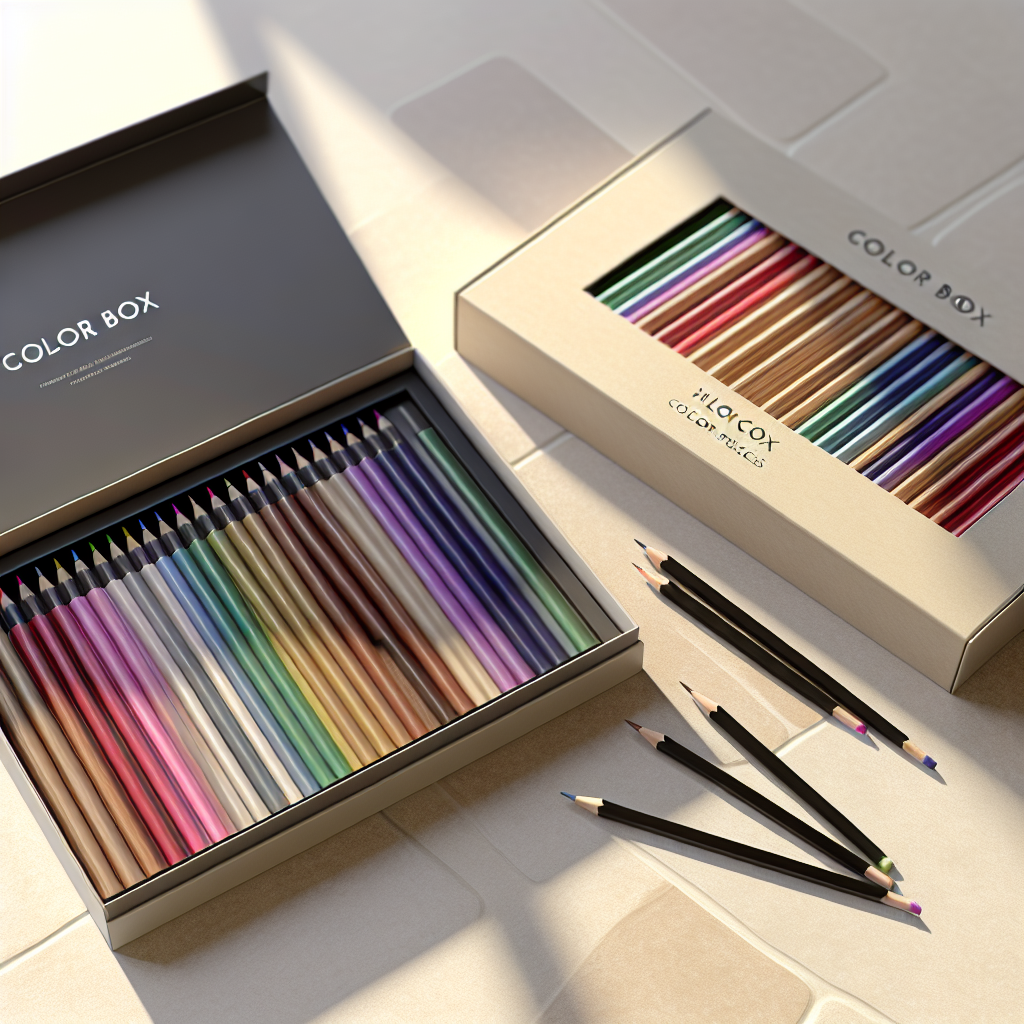
In retail environments, packaging can make or break a sale. OEM factories collaborate with brands to design packaging that protects the product and communicates its theme effectively. Common packaging types include:
- Blister packs for visibility and shelf appeal
- Window boxes for premium presentation
- Eco-friendly kraft boxes for sustainable branding
Some brands even opt for reusable tins or collectible cases, adding perceived value to the pencil set. These packaging choices are not just aesthetic—they’re strategic tools for capturing consumer interest and driving impulse purchases.
Quality Control: Maintaining Brand Reputation
Every pencil that leaves the factory carries the brand’s reputation. That’s why OEM partners implement strict quality control measures. These include:
- Lead centering tests to ensure smooth sharpening
- Durability checks on wood and finish
- Color consistency audits for themed sets
As highlighted in the Lemon8 article, quality control is especially crucial for colored pencils, where uneven pigment distribution can ruin the user experience. Brands working with reputable OEM partners can expect detailed QC reports and batch tracking to ensure accountability.
Global Trends Shaping Themed Pencil OEM
The market for themed pencils is evolving rapidly, influenced by cultural trends, sustainability concerns, and consumer personalization. The Japanese pencil industry, as covered by CalCedar, exemplifies how heritage craftsmanship and modern branding can coexist. Japanese pencils are known for their precision and aesthetic appeal, often inspiring OEM designs in other markets.
Other global trends include:
- Sustainability: Use of FSC-certified wood and recyclable packaging
- Personalization: Custom name engraving or color selection for individual consumers
- Licensing: Collaboration with entertainment franchises for limited-edition sets
These trends are pushing factories to innovate—not just in production but in design thinking and supply chain agility.
Finding the Right OEM Partner
For brands looking to enter the themed pencil market, choosing the right OEM factory is crucial. Here are some factors to consider:
- Experience with similar projects or industries
- In-house design and prototyping capabilities
- Certifications (e.g., ISO, FSC, EN71 compliance)
- Lead times and minimum order quantities (MOQs)
- Willingness to collaborate on branding and packaging
Many successful partnerships begin with small trial orders and gradually scale up as trust and process alignment develop. Transparent communication and shared values—especially around quality and sustainability—are key to long-term success.
Case Study: A Seasonal Success Story
Consider a mid-sized stationery brand that launched a Halloween-themed pencil set. Working with an OEM factory in Asia, they developed a six-pencil pack featuring glow-in-the-dark barrels, pumpkin-printed ferrules, and orange erasers. The packaging was a coffin-shaped cardboard box with a clear window.
Thanks to coordinated branding, timely production, and strategic retail placement, the set sold out within two weeks of launch. The brand saw a 30% increase in seasonal sales compared to the previous year and received media coverage for its creative packaging. This success was made possible by a factory that understood both the technical and creative aspects of themed pencil production.
Conclusion: Where Creativity Meets Craftsmanship
Themed pencil sets are the perfect intersection of artistry, branding, and manufacturing. Behind every glittery barrel or cartoon-covered box is a complex process involving material science, design collaboration, and consumer psychology. For brands, partnering with the right OEM factory is not just about production—it’s about telling a story through a pencil.
Whether you’re launching a school campaign, commemorating an event, or building a luxury stationery line, the journey begins with understanding how factories bring your vision to life. With the right insights and a trusted manufacturing partner, your next themed pencil set could be the one that stands out on shelves—and in the hands of happy consumers.
Related Reading
- How Factories Produce Multi-Pack Pencil Sets
- Why Retail Chains Prefer Foil-Stamped Logo Pencils
- Why Pencil Cap Colors Matter for Branding
- How European Retailers Evaluate Pencil Supplier Reliability
- Why European Buyers Prefer Transparent OEM Pricing
- Why Custom Branding Makes Retail Pencils Sell Better
- Why OEM Buyers Should Request Material COA Reports
- Why Custom Pencil Sets Are Popular for Corporate Gifts
Share This Post
Share on facebook
Share on twitter
Share on linkedin
