

No products in the cart.

How Factories Produce Multi-Pack Pencil Sets
- Mark Yang
- January 22, 2026
- 7:30 pm
- No Comments
Table of Contents
Whether you’re a wholesaler sourcing stationery products or an artist seeking insight into the tools you use daily, understanding how factories produce multi-pack pencil sets offers a fascinating look into industrial precision, material science, and global supply chains. From raw wood slats and graphite cores to the final retail-ready packaging, the journey of a pencil multipack is a blend of tradition, innovation, and efficiency. This article explores the full process behind manufacturing pencil multipacks OEM, shedding light on how manufacturers meet the diverse needs of students, artists, and businesses worldwide.
What Are Pencil Multipacks and Why Are They in Demand?
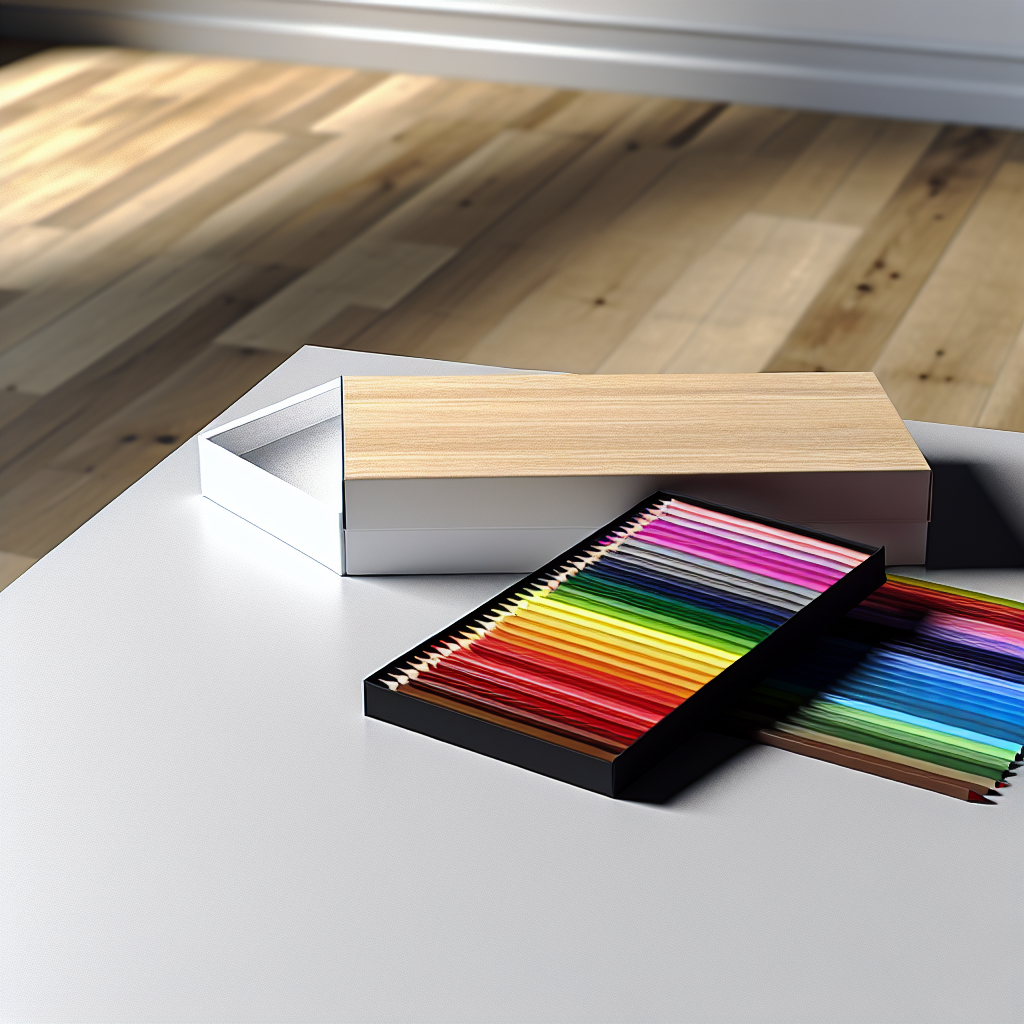
Pencil multipacks are sets of two or more pencils sold together, often in units of 6, 12, 24, or even 100. These sets can include standard graphite pencils, colored pencils, or specialty variants like mechanical or charcoal pencils. The demand for these packs is high across several sectors:
- Educational institutions bulk order them for students.
- Artists and hobbyists prefer variety packs for creative flexibility.
- Retailers and brands use OEM multipacks for promotional or private-label purposes.
From a manufacturing standpoint, producing multipacks efficiently while maintaining quality and brand consistency is a complex but well-optimized process.
Step-by-Step: How Factories Manufacture Multi-Pack Pencil Sets
1. Raw Material Selection: The Foundation of Quality
The first step in any pencil production process is sourcing high-quality raw materials. The three core components are:
| Component | Common Materials | Considerations |
|---|---|---|
| Wood Casing | Cedar, basswood, or poplar | Grain consistency, softness for sharpening, sustainability |
| Core (Graphite or Pigment) | Graphite-clay mix or pigment-wax blend | Hardness, color vibrancy, smoothness |
| Eraser (if included) | Rubber, vinyl, or thermoplastic elastomer | Non-smudging, durability |
According to Pencil China, modern manufacturers are increasingly prioritizing sustainable wood sources and non-toxic pigments to meet environmental standards and consumer preferences. The choice of materials directly affects the final product’s usability and market appeal.
2. Core Manufacturing: Graphite and Pigment Preparation
For graphite pencils, the core is made by mixing graphite powder and clay in specific ratios. More clay yields a harder pencil (e.g., 4H), while more graphite results in a softer, darker core (e.g., 6B). This mixture is then extruded into thin rods and baked at high temperatures to harden.
Colored pencils, as detailed in Luuk Minkman’s article, use a blend of pigments, wax or oil, and binders. The consistency and ingredient quality determine how smoothly the pencil lays down color and how resistant it is to breakage.
In OEM production, core specifications are often customized to meet brand requirements or target demographics, such as softer leads for young children or oil-based pigments for professional artists.
3. Woodworking: Crafting the Pencil Body
Wood slats are cut to size, grooved, and then matched with the core. Precision is critical here. As Musgrave Pencil Company explains, each wooden slat is grooved to hold the core, then sandwiched with another slat to encase it. This “slat sandwich” is then compressed and dried to ensure a firm bond.
Once bonded, the slats are cut into individual pencils and shaped—typically into hexagonal, round, or triangular profiles. This shaping affects grip comfort and sharpening ease, especially in large multipacks where product consistency is essential.
4. Finishing Touches: Painting, Branding, and Eraser Assembly
After shaping, each pencil is sanded smooth and painted. Depending on the brand’s design, this may involve multiple layers of lacquer or a single dip in a color bath. Premium OEM clients often request custom colors, metallic finishes, or even eco-friendly water-based paints.
Branding is applied via hot stamping, screen printing, or laser etching. This step is crucial for OEM pencil multipacks, as it ensures brand visibility and compliance with retail packaging standards.
If erasers are included, a ferrule (metal band) is attached to the pencil’s end, and the eraser is inserted and crimped into place. This process is mostly automated but requires precision to avoid loose or misaligned erasers.
5. Sharpening and Quality Control
Many multipacks—especially those targeted at schools or retail—come pre-sharpened. Automated sharpening machines ensure uniformity across thousands of units. Quality control teams then inspect for defects such as broken leads, misaligned branding, or uneven paint finishes.
In OEM contracts, quality assurance is often tied to strict SLAs (Service Level Agreements), with tolerance thresholds for breakage rates, color consistency, and packaging accuracy.
6. Packaging: From Factory Floor to Store Shelf
Packaging is where the concept of a “multipack” comes to life. Depending on the client’s needs, pencils may be bundled in:
- Cardboard boxes with plastic windows
- Plastic tubes or trays
- Eco-friendly paper wraps or sleeves
Each packaging type must protect the pencils during transit, display the brand clearly, and comply with regional labeling laws (e.g., CE marking in Europe or ASTM standards in the U.S.).
For OEM clients, packaging customization includes logo placement, language localization, barcoding, and sometimes even promotional inserts. Multipacks are then boxed into master cartons and palletized for global distribution.
OEM Pencil Multipacks: What Buyers Should Know
For businesses sourcing pencil multipacks OEM, choosing the right manufacturing partner is critical. Here are key factors to consider:
- Customization capabilities: Can the factory match your lead hardness, casing shape, and branding needs?
- Minimum order quantities (MOQs): OEM contracts often require high-volume commitments.
- Certifications: Look for ISO, FSC, and EN71 compliance for safety and sustainability.
- Lead times: From design approval to final shipment, timelines can range from 30 to 90 days.
Many OEM suppliers also offer white-label services, allowing retailers to sell under their own brand without investing in production infrastructure.
Trends Shaping the Future of Pencil Multipack Manufacturing
As with many industries, pencil manufacturing is evolving. Here are some trends influencing how multipacks are produced and marketed:
- Sustainability: Factories are adopting recycled wood, biodegradable packaging, and non-toxic inks to meet environmental goals.
- Digital integration: QR codes on packaging link to tutorials or brand stories, enhancing customer engagement.
- Mass customization: Advanced machinery allows for small-batch customization, ideal for promotional or seasonal campaigns.
- Hybrid sets: Multipacks now often include a mix of graphite, colored, and mechanical pencils to appeal to broader audiences.
These innovations not only improve the end-user experience but also create new opportunities for OEM buyers to differentiate their offerings in a crowded market.
Conclusion: Precision Meets Creativity in Every Multipack
The production of pencil multipacks is a finely tuned process that blends industrial engineering with creative branding. From the careful selection of wood and pigments to the final packaging and global distribution, each step is guided by precision, consistency, and customer expectations.
For OEM buyers, understanding this process is key to making informed decisions—whether you’re launching a new stationery brand or expanding your product line. As consumer awareness grows around quality and sustainability, the factories that can deliver on both fronts will lead the way in shaping the future of pencil multipacks.
For further insights into the technical and artistic aspects of pencil production, explore these industry references:
- How Are Pencils Made? – Pencil China
- How a Pencil is Made – Musgrave Pencil Company
- How Are Colored Pencils Made? – Luuk Minkman
From factory floor to classroom desk, pencil multipacks are an everyday product with extraordinary complexity behind them. And now, you know exactly how they come to life.
Related Reading
- How Pencil Factories Train Workers for Quality Assurance
- How Pencil Factories Use Automated Inspection Systems
- Why European Buyers Prefer Transparent OEM Pricing
- Why Bulk Pencil Buyers Request Moisture-Content Reports
- Why OEM Buyers Should Request Material COA Reports
- How Pencil Factories Handle Emergency Rush Orders
- How Pencil Suppliers Estimate Bulk Order Delivery Times
- How Pencil Factories Maintain Lead Alignment Tolerance
Share This Post
Share on facebook
Share on twitter
Share on linkedin
