Mark Yang

How Factories Ensure Consistent Color Between Batches

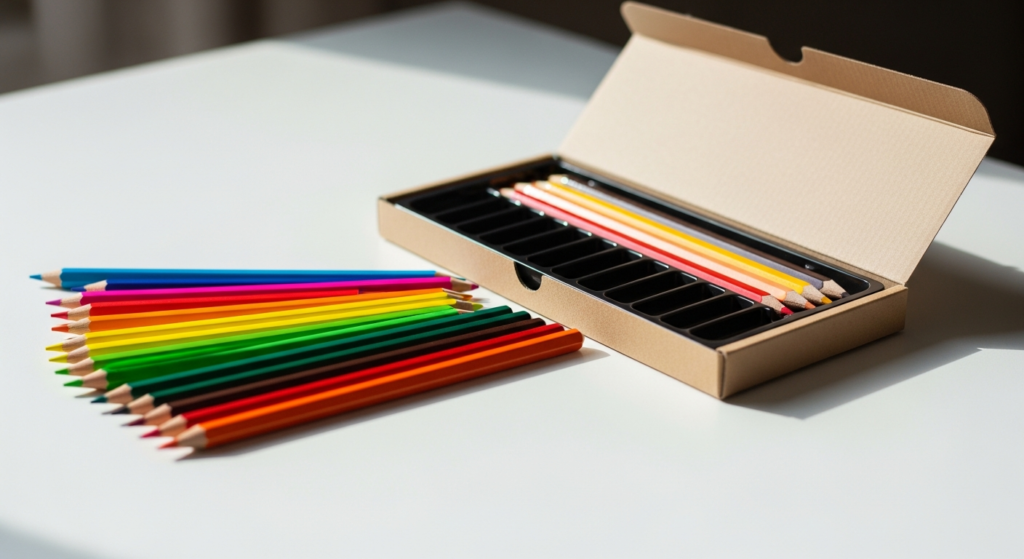
In the world of professional stationery, color is more than just an aesthetic choice; it is a brand’s signature. Imagine a graphite pencil artist purchasing a “Deep Indigo” colored pencil to replace a nearly finished one, only to find the new batch is three shades lighter. This discrepancy doesn’t just ruin a drawing; it erodes

How Factories Ensure Consistent Color Between Batches Read More »
Why Pencil Slat Thickness Matters for Durability

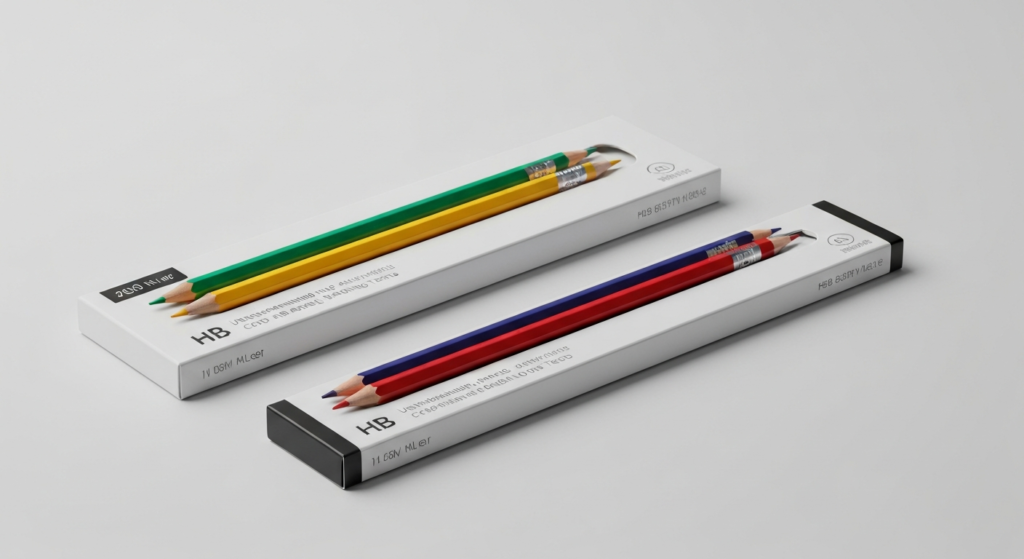
For the casual user, a pencil is a simple tool: a piece of wood surrounding a core of graphite. However, for those in the stationery industry and the manufacturing sector, a pencil is a precision-engineered instrument where every millimeter counts. One of the most overlooked yet critical components of this engineering is the pencil slat.

Why Pencil Slat Thickness Matters for Durability Read More »

How Factories Produce Glitter-Finish Pencils

When you walk through the stationery aisle of a major retailer, few items catch the eye as quickly as glitter-finish pencils. They shimmer under the fluorescent lights, offering a tactile and visual appeal that standard matte or gloss yellow pencils simply cannot match. For brands and distributors looking to enter this vibrant market, understanding the

How Factories Produce Glitter-Finish Pencils Read More »

Why Colored Pencil Cores Need Anti-Crack Processing

For an artist, there is perhaps no sound more disheartening than the sharp, muffled “snap” heard deep inside a pencil during sharpening. You rotate the blade, hoping for a clean point, only to have the entire tip slide out, followed by another broken fragment, and then another. This phenomenon, often referred to as “shattered core

Why Colored Pencil Cores Need Anti-Crack Processing Read More »

Understanding Pencil Coating Solvent Types

The transition from a simple sketch to a professional masterpiece often lies in the artist’s ability to manipulate the medium beyond its dry state. In the world of high-end stationery and art supplies, understanding the chemistry behind your tools is just as important as the technique itself. When we discuss solvent-based coating pencils, we are

Understanding Pencil Coating Solvent Types Read More »

Why Retail Chains Prefer Ready-to-Shelf Pencil Packaging

For high-volume retailers, the stationery aisle is often one of the most labor-intensive sections to maintain. Between loose pens, individual erasers, and various pencil grades, the sheer number of stock-keeping units (SKUs) can lead to disorganized displays and significant labor overhead. This is precisely why global retail chains are shifting their procurement requirements toward manufacturers

Why Retail Chains Prefer Ready-to-Shelf Pencil Packaging Read More »

How Factories Use CNC Machines for Pencil Molding

The humble pencil is a masterpiece of engineering that most of us take for granted. From the precise fit of the graphite core to the perfectly smooth finish of the wooden or plastic casing, the journey from raw material to desk essential is paved with sophisticated technology. While traditional pencil making relies heavily on high-speed

How Factories Use CNC Machines for Pencil Molding Read More »

Understanding Pencil Lead Strength Requirements

The tactile experience of a pencil moving across paper is a sophisticated dance of friction, pressure, and material science. To the casual observer, a pencil is simply a piece of wood holding a core of dark material, but to the artist, architect, or manufacturer, that core is a highly engineered component. Understanding the nuances of

Understanding Pencil Lead Strength Requirements Read More »

Let's Have A Chat

Learn How We Help You Gain Success.